
Employee Transport: Daily Staff Pickup and Drop
Shift routes, night drops and station shuttles, billed monthly
Your employees get a cab that turns up on time, with a driver whose name they know. You get GPS logs for every trip, a backup car when something breaks, and one invoice at the end of the month. We plan the routes, supply the vehicles and drivers, and keep the paperwork in order.
- Day, night and rotating shifts
- Verified drivers, GPS on every cab
- Fixed monthly or per trip
- Backup car written into the agreement

What an employee transport service covers
A transport vendor takes over the daily movement of your staff between home and work. That means planning routes, supplying commercially registered cabs with drivers, tracking trips and handling the problems: late cabs, absent drivers, breakdowns, diversions.
Your admin team stays in charge of the policy (who gets transport, which shifts, the night-shift rules) and checks the logs. Everything else sits with us. Most companies pay for this on a fixed monthly package per vehicle, or per trip when attendance moves a lot.
Types of staff transport we run
Shift pickup and drop
Home to office and back for each shift, on planned routes.
- Vehicles
- Sedan, MUV, Tempo Traveller
- Timing
- Morning, evening and night shifts
General shift commute
One morning pickup and one evening drop for office-hours teams.
- Vehicles
- MUV or Tempo Traveller
- Timing
- Office hours
Night shift transport
Home drop for late shifts, with the conditions your state sets for women employees.
- Vehicles
- Sedan or MUV
- Timing
- After 8 p.m. and early mornings
Metro and station shuttles
Loops between the nearest metro or railway station and your campus.
- Vehicles
- Tempo Traveller or MUV
- Timing
- Peak hours, fixed timetable
Plant and factory shifts
Shift workers to industrial areas where public transport is thin.
- Vehicles
- Tempo Traveller, MUV
- Timing
- Rotating shifts
Dedicated executive car
One car and driver for a senior leader, every working day.
- Vehicles
- Sedan or Innova Crysta
- Timing
- 8 to 12 hours a day
Vehicles for staff routes
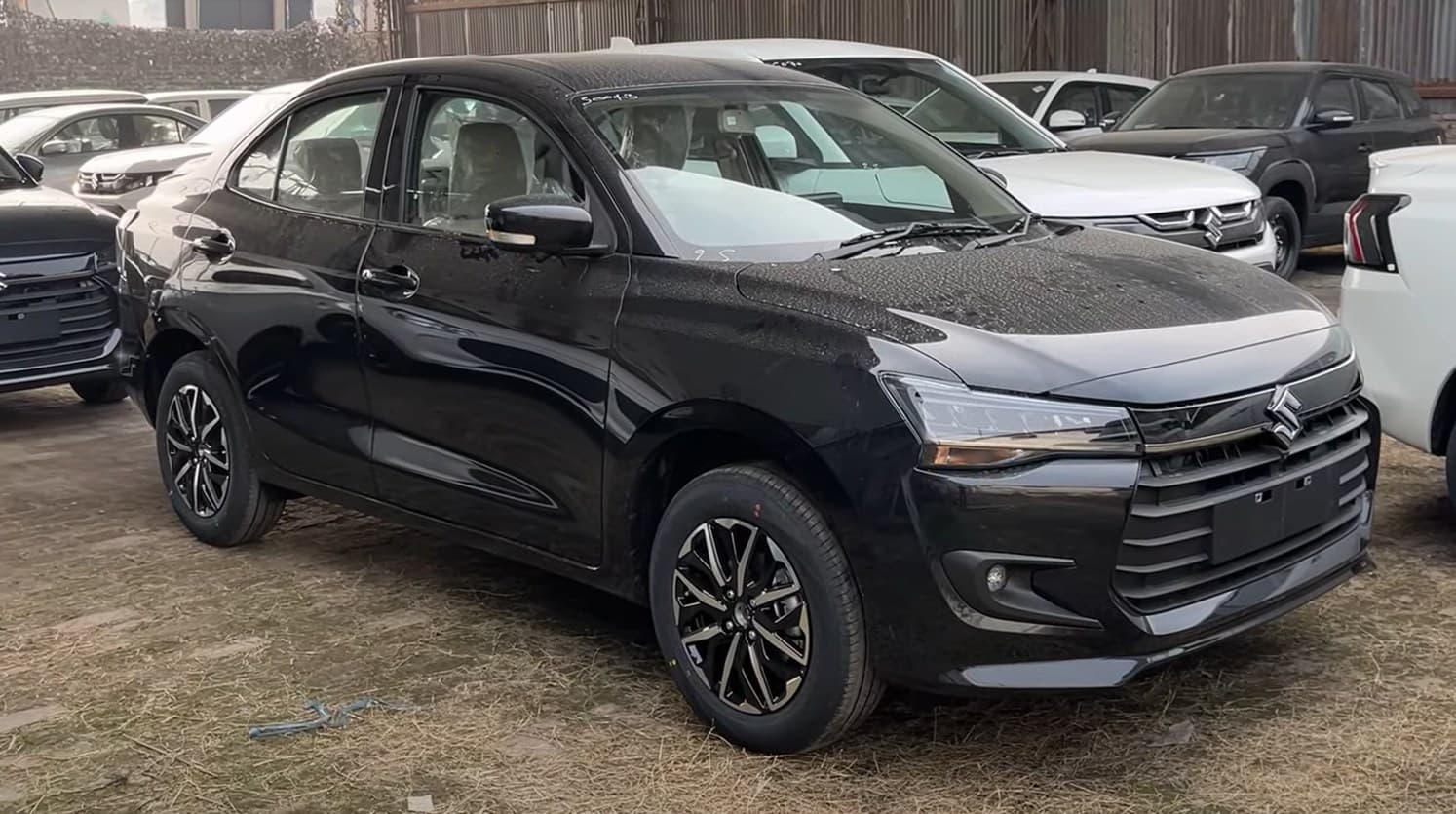
Sedan
Maruti Dzire, Hyundai Aura
Up to four employees on a compact route, or a single senior employee. Cheapest per seat for short, spread-out pickups.
Photo: Sant1207ug, CC BY-SA 4.0

MUV
Maruti Ertiga, Toyota Rumion
Up to six employees. The usual choice for shift routes in most cities.
Premium MUV
Toyota Innova Crysta
Senior staff, client-facing teams and long routes where comfort matters.
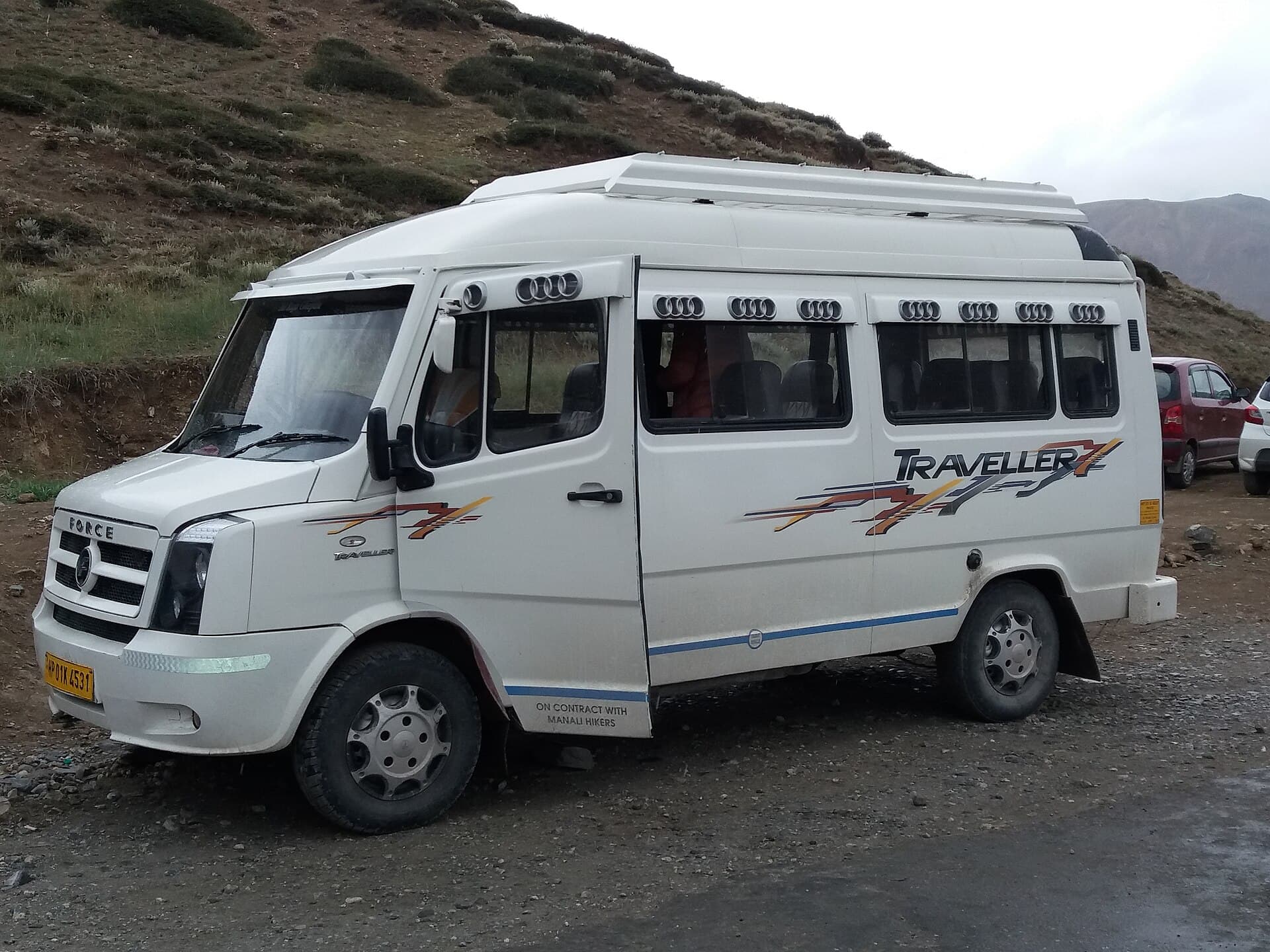
Tempo Traveller
About 12 to 26 seats
Large groups on one corridor, station shuttles and plant shifts.
Photo: Yann Forget, CC BY-SA 3.0

Electric car
On request
For companies tracking travel emissions, on routes that suit the charging range.
Photo: DriveSpark, CC BY 3.0
How a staff transport plan is set up
- 1
Addresses and shifts
You share employee pickup areas, the office location and shift timings. Names can come later.
- 2
Route plan
Employees are grouped by corridor so no one sits in the cab for too long.
- 3
Vehicle mix
Sedans, MUVs or Tempo Travellers per route, based on headcount and spread.
- 4
Written terms
Rates, km and hours, extras, backup car, penalties and payment cycle.
- 5
Go live
Driver and car details shared, GPS on, trips logged from the first day.
How staff transport is billed
- Most common
Fixed monthly package
A fixed amount per vehicle for set days, hours and km each month, plus agreed rates for extra km and extra hours. Night duty, tolls and parking are usually billed on top.
Best for: Stable routes with the same employees every day.
Per trip or per km
Each pickup or drop is billed on its own, by trip or by km, often with a daily minimum per vehicle.
Best for: Hybrid teams whose office days change week to week.
Base fee plus trips
A smaller fixed fee to hold the vehicle and driver, plus a rate for each trip actually run.
Best for: Routes where attendance swings with hybrid working.
Compare the full monthly cost, not the headline rate
A low per-km rate can hide a high daily minimum, waiting charges or garage-to-garage kilometres. Ask every vendor how kilometres are counted, what the extras cost, and add them up for a typical month.
Night shifts and safety
States that allow women to work night shifts usually attach transport conditions. Haryana's May 2025 notification, for example, asks for home pickup and drop, security guards including a female guard, trained drivers, CCTV and GPS. Delhi and Uttar Pradesh have their own conditions. Our cabs are set up to meet the transport side of these rules:
- AIS-140 GPS tracking with an emergency button on every vehicle.
- Drivers with commercial licences and police verification on file.
- Home drops planned so routes stay inside the timings your policy sets.
- Trip logs you can pull up if an employee or auditor asks.
Guards and escort arrangements depend on your state and your policy. Tell us what you need on each route and we will plan for it. The details are in our night shift transport rules guide.
Not legal advice
What goes into the agreement
Every one of these should be written down before the first trip, whoever you hire:
- Vehicles per route, reporting times and the shifts covered
- Monthly amount or per-trip rate, and the km and hours included
- Rates for extra km, extra hours, night duty and Sundays or holidays
- How tolls, parking and state taxes are billed
- Backup car timelines, and what happens when a trip is missed
- Driver replacement and conduct rules
- Invoice format, payment cycle, contract period and notice period
The vendor checklist goes through each one, with the questions to ask.
How to start staff transport with us
- 1
Send the requirement
Use the enquiry form or email hello@corporatecarrent.com with headcount, pickup areas, office location and shifts. - 2
Route and vehicle plan
We map pickups into routes and suggest the vehicle for each. - 3
Quote and agreement
A written quote with the billing model, then an agreement with every term spelt out. - 4
Driver and car details
You get each driver's name, number and car registration before the first trip, to share with employees. - 5
First week check-in
Routes and timings are adjusted once real pickup times are known. - 6
Monthly invoice
One GST invoice with trip-wise details that match the GPS logs.
Cities where we run staff transport
 Serving now
Delhi
Areas we cover
Central and South Delhi, Aerocity and Mahipalpur, Okhla, Nehru Place and Jasola, Ghaziabad and Sahibabad
Corporate cabs in Delhi Serving now
Gurugram
Areas we cover
DLF Cyber City and Cyber Hub, Golf Course Road and Golf Course Extension Road, Udyog Vihar, Sohna Road
Corporate cabs in Gurugram Serving now
Noida
Areas we cover
Sector 62 and Sector 63, Sectors 125–135 (Noida Expressway), Sectors 142–144, Film City (Sector 16A)
Corporate cabs in Noida- Serving now
Faridabad
Areas we cover
Mathura Road (NH-19) industrial sectors, NIT Faridabad, Old Faridabad, Ballabgarh
Corporate cabs in Faridabad  Serving now
Bangalore
Areas we cover
Whitefield and ITPL, Outer Ring Road (Marathahalli to Sarjapur), Electronic City, Manyata Tech Park and Hebbal
Corporate cabs in Bangalore Serving now
Mumbai
Areas we cover
BKC and Kurla, Lower Parel and Worli, Nariman Point and Fort, Powai and Andheri East
Corporate cabs in Mumbai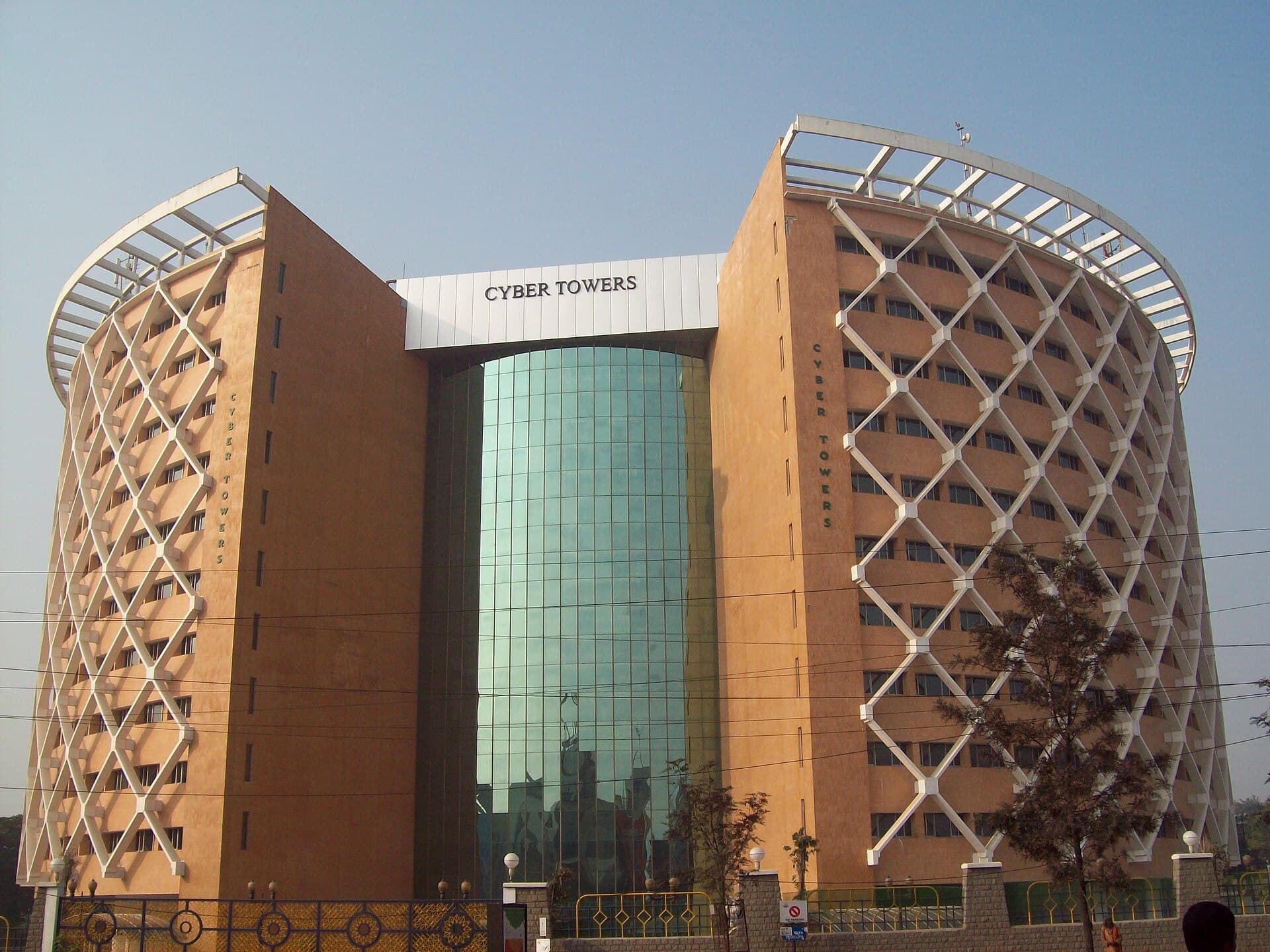 Serving now
Hyderabad
Areas we cover
HITEC City and Madhapur, Gachibowli, Financial District and Nanakramguda, Kondapur and Kokapet
Corporate cabs in Hyderabad Serving now
Pune
Areas we cover
Hinjewadi Phases 1–3, Kharadi and EON IT Park, Magarpatta and Hadapsar, Viman Nagar and Yerwada
Corporate cabs in Pune Serving now
Chennai
Areas we cover
OMR (IT Corridor) and Sholinganallur, Taramani and Perungudi, Guindy and Ekkatuthangal, Ambattur
Corporate cabs in Chennai
Frequently asked questions
How does employee pickup and drop work?
You share employee addresses (or pickup areas), office location and shift timings. Routes are planned so each cab picks up a group along one corridor and reaches the office before shift start. The same driver usually runs the same route. Every trip is GPS-logged, and the month's trips are billed on one GST invoice.
How many employees go in one cab?
A sedan carries up to four, an MUV up to six, and a Tempo Traveller roughly 12 to 26 depending on the model. The right mix depends on how spread out the pickups are. A full Tempo Traveller that takes 90 minutes to collect everyone is worse than two MUVs that take 40.
What do we need to do for women on night shifts?
Several states allow women to work night shifts only if the employer meets conditions, which usually include home pickup and drop, GPS, verified drivers and security arrangements. The details differ by state. Our night-shift rules guide covers Haryana, Delhi, Uttar Pradesh and the other cities we serve.
What happens if a cab breaks down or a driver doesn't turn up?
A backup car is sent, and the agreement spells out how fast and what happens if a trip is missed. Ask every vendor for this in writing. A vague answer here is the most common reason transport contracts go wrong.
Can we start with just one shift or one route?
Yes. Plenty of companies start with one route, see how it runs for a month and then add more. Send the details through the enquiry form or email hello@corporatecarrent.com.
Get a quote for staff transport
Send us the city, headcount, timings and dates. We reply with vehicle options and a quote, usually the same working day.
Sources
Rules and figures on this page come from these official notifications, laws and reports. Check the current position for your own case.