
Planning Transport for a Corporate Event or Offsite
Guests rarely remember the cab that turned up on time. They do remember waiting forty minutes outside arrivals with nobody holding their name. Event transport is mostly arithmetic and timing, with one person in charge. This guide walks through the planning in the order we would do it for a conference, a launch, an AGM or a team offsite.
Last reviewed 28 October 2026
Start from headcount, then pick the vehicles
The guest list tells you very little. What matters is how many people need to move at the same moment, from where, and with how much luggage. Break the event into movements: airport to hotel, hotel to venue each morning, venue to dinner, back to the airport. Count heads for each one.
| Vehicle | Seats (approx.) | Works well for |
|---|---|---|
| Sedan (Dzire, Aura) | 4 | Senior guests, speakers, small airport pickups |
| MUV (Ertiga, Rumion) | 6 | Small groups, families of guests, airport runs with luggage |
| Innova Crysta | 6 | Leadership, board members, VIP guests |
| Tempo Traveller | 12–26, by model | Hotel to venue shuttles, team outings, offsites |
| EV sedan (on request) | 4 | Short city runs where the company wants electric |
A worked example. Say 60 delegates stay at one hotel and need to reach the venue for a 9:30 am start. Two large Tempo Travellers and one smaller one can move them in a single trip. Add a sedan for the speaker and an MUV on standby, and you are covered if one vehicle runs late. Plan the airport leg differently: a sedan with four suitcases in the boot is full, so assume fewer passengers per car whenever luggage is involved.
Airport arrivals come in waves
Nobody lands at the same time. Pull flight numbers from your registration form and sort arrivals into windows, say every 60 to 90 minutes. Each window gets its own vehicles. One large vehicle waiting three hours for the last guest of a batch wastes everyone's morning.
- Share the manifest with the vendor: guest name, phone number, flight, terminal, hotel.
- Have the vendor track flights, so a delayed landing moves the pickup and does not create a no-show.
- Drivers hold printed name boards with your event name. Agree one meeting point per terminal.
- Send each guest the driver's name, phone and vehicle number on the morning of arrival.
- Leave time for baggage. International arrivals take longer to come out than domestic ones.
Departures need the same care in reverse, with the extra pressure of check-in cut-off times. Group guests by flight time, not by when the session ends, and give the last group a vehicle of its own so a long closing speech does not cost anyone a flight. If guests check out of the hotel on the last day, find out where their bags will be held, because a Tempo Traveller full of luggage has less room for people.
Buffers that save the day
Work backwards from the time a guest must be seated. If the keynote starts at 9:30, and the venue is 40 minutes away in morning traffic, an 8:50 departure is too tight. Leave room for the guest who comes down late, the queue at the venue gate and the car that has to circle back.
A few habits that help:
- Vehicles report at the hotel well before departure time, not at it.
- For shuttles, fix the loop timing on a dry run, not from a map app the night before.
- Keep at least one standby vehicle near the venue for the whole day.
- Check local events, roadworks and VIP movements on the route for each day of the event.
One coordinator, one sheet
Events fall apart when drivers take instructions from five different people. Give the vendor one on-ground coordinator, and give that coordinator one counterpart on your side who can make decisions.
They work from a single live sheet: each movement, its vehicles, driver names and numbers, guests assigned, planned and actual times. A shared group chat with drivers and the two coordinators handles changes. Guests who need something call your person, never the driver directly.
Brief the drivers the day before
At the venue: drop zones and parking
Visit the venue before the event, or get the venue team on a call. Agree on:
- The drop point at the porch or gate, and how many vehicles can stand there at once.
- A holding area for vehicles between runs, close enough to call back within minutes.
- Vehicle passes or a list of registration numbers for venue security.
- Whether Tempo Travellers can enter at all. Some hotel porches and basements cannot take them.
- Where drivers wait, eat and use a washroom during a long day.
Stagger arrivals if the drop point is small. Three large vehicles arriving together at a single-lane porch means a queue on the main road.
Outstation offsites
Taking the team out of the city adds rules and costs. Settle these with the vendor in writing.
Permits
Every vehicle needs a permit that covers the route. A car carrying passengers for hire without one can be stopped and detained under the Motor Vehicles Act. For interstate trips, the usual answer is an All India Tourist Permit, issued under the All India Tourist Vehicles (Permit) Rules, 2023. It is not issued for vehicles more than 12 years from first registration, so ask the age of the vehicles too.
Driver rest
A driver who has been on duty since dawn should not drive your team down a hill road at night. Plan the drive into daylight hours where you can. For long drives, ask about a second driver or a rest stop built into the schedule. Confirm where drivers will stay and eat at the destination, and who pays for it.
Tolls, taxes and night charges
Ask whether tolls, parking, state entry charges and driver allowance are inside the quote or billed at actuals with receipts. Night charges are common: GeM's standard terms, for example, add a night charge when outstation duty ends between 10:30 pm and 6 am. Whatever your vendor's rule is, get it written into the quote.
Day-of checklist
- Final manifest shared with the vendor, with last-minute flight changes.
- Every driver has the sheet, the coordinator's number and the guest list for his vehicle.
- Name boards printed, one per airport vehicle.
- Vehicles checked at reporting: clean, AC working, fuel or charge enough for the day.
- Papers in each vehicle: permit, insurance, fitness, PUC.
- Standby vehicle parked near the venue.
- Venue security has the registration list.
- Return plan for the evening, including guests who leave early.
- End of day: actual times and km noted for each vehicle, to match against the invoice.
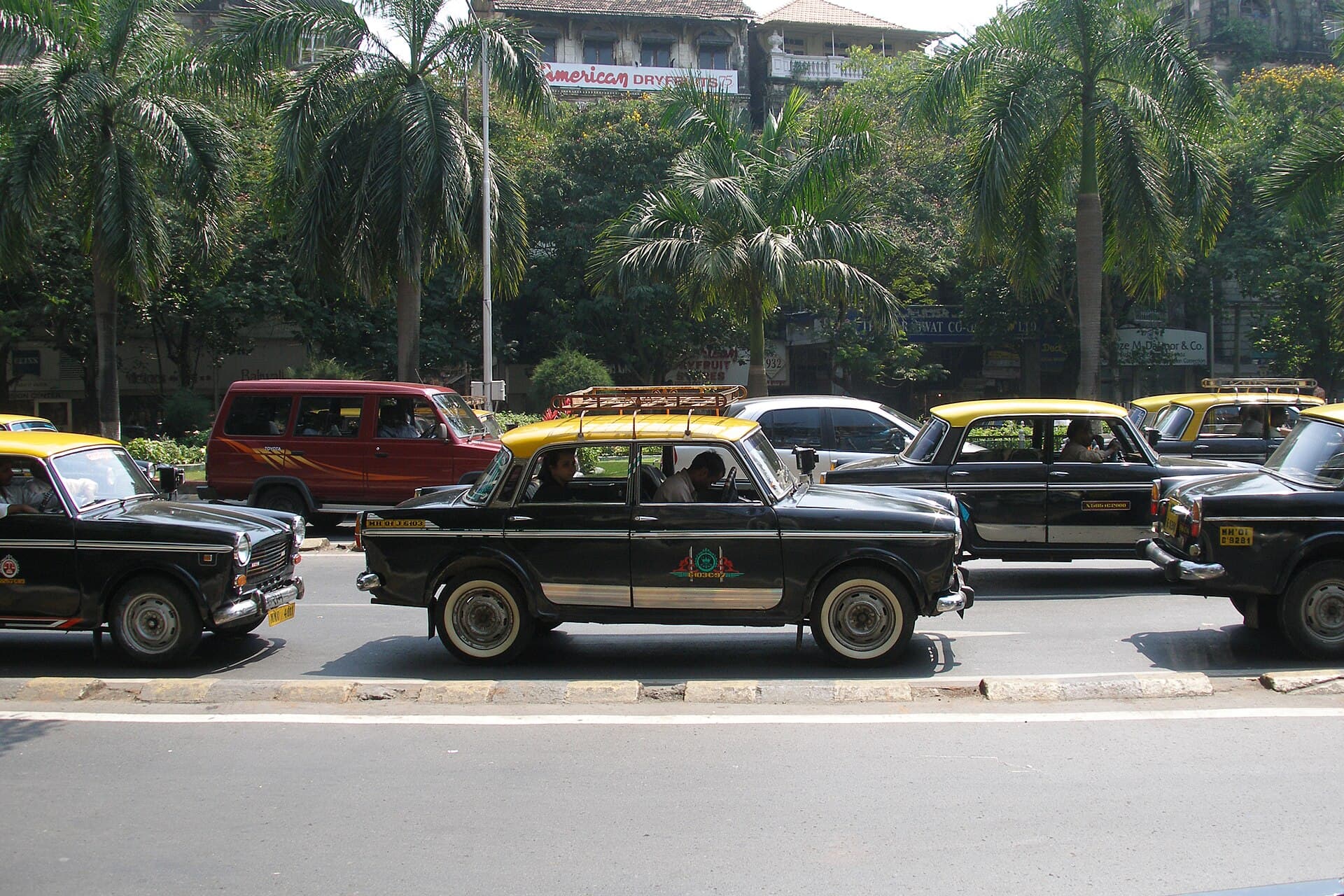
For the vehicles themselves, see our corporate event transport and staff outings and offsites pages. And whatever you book, make sure it carries a yellow plate. Our white plate vs yellow plate guide explains why.
Frequently asked questions
How many vehicles do we need for a corporate event?
Start from how many people move at the same time, not the total guest list. Then split by group: senior guests in sedans or MUVs, delegates in Tempo Travellers, and a standby car or two. As a rough guide, a sedan seats about 4, an MUV about 6 and a Tempo Traveller about 12 to 26 depending on the model, all excluding the driver. Plan fewer passengers per car on airport runs because of luggage.
How early should we book event transport?
As soon as dates and the venue are fixed. Tempo Travellers and larger MUVs get booked up around wedding season, long weekends and big conference weeks, so give the vendor as much notice as you can and confirm numbers a few days before.
Do we need a separate permit for an outstation offsite?
The vehicle needs a permit that covers the route. For trips that cross state lines, that usually means an All India Tourist Permit. Ask the vendor to confirm this in writing for each vehicle, along with how tolls, parking and any state entry charges will be billed.
Who should manage transport on the day?
One coordinator from the vendor on the ground, and one person from your team who can make decisions. Drivers report to the vendor's coordinator, guests ask your person, and the two of them share a single live sheet. Avoid having three people giving drivers instructions.
Planning an event or offsite?
Send us the dates, venue, headcount and arrival details. We supply sedans, MUVs, Innova Crysta and Tempo Travellers with commercially licensed drivers, local and outstation, and reply with vehicle options and a quote.
Sources
Rules and figures on this page come from these official notifications, laws and reports. Check the current position for your own case.